Pitchfork Math Press kit

How many peasants does it take to beat a goose?

Pitchfork Math is a survival strategy game about a Polish village, where the battles fight themselves.

Coming soon on Steam. Wishlist it and Steam will tell you when it's out.

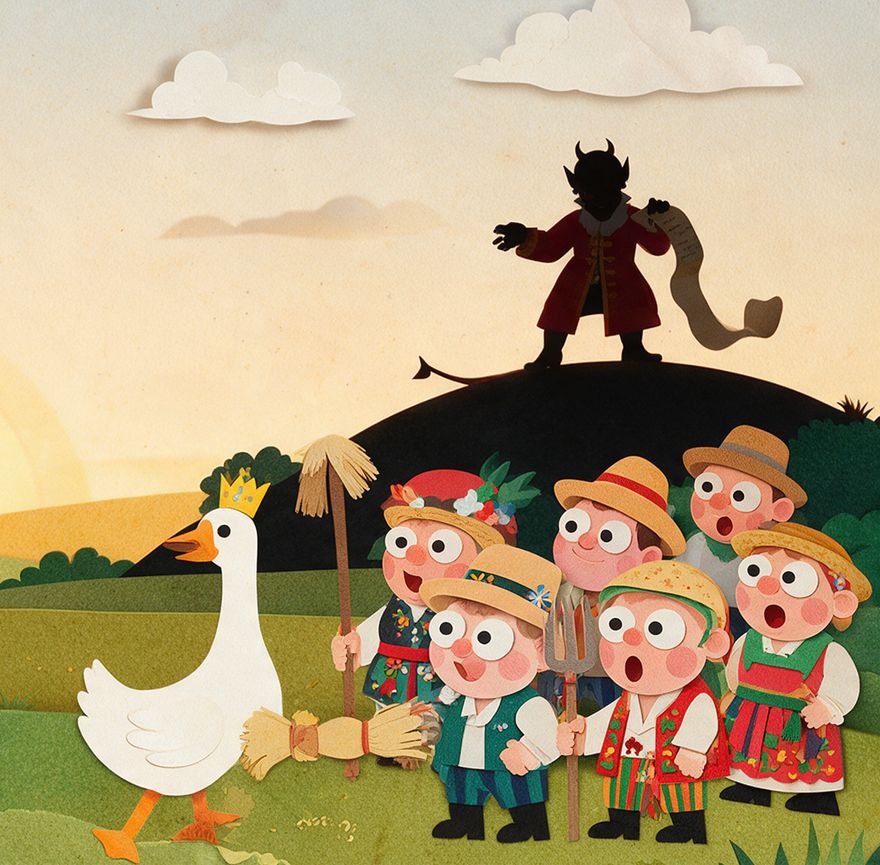
Paper-cut illustration: a horned devil in a red coat holds a long contract scroll on top of a dark hill. Below him a white goose in a gold crown faces a crowd of peasants with googly eyes and pitchforks.

Watch the trailer

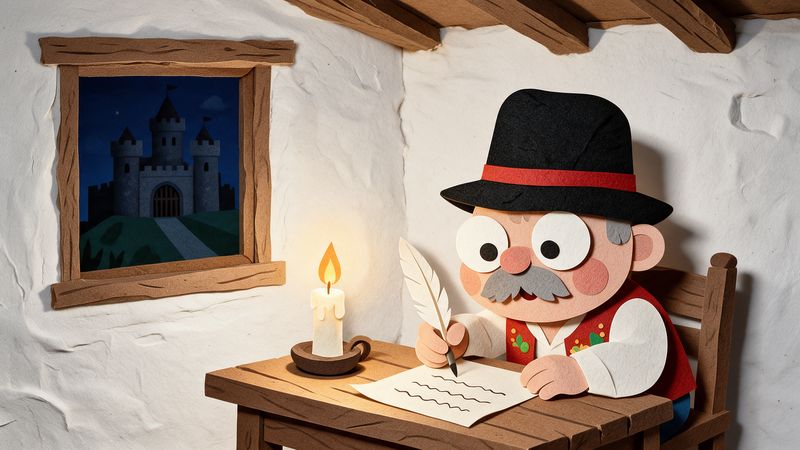
Paper-cut illustration: the village head in a black hat writes a letter by candlelight. A castle stands in the dark outside the window.

You are the head of a small Polish village. You wrote to the king three times. He never answered, and the knights hid in their castles. Meanwhile geese took the fields, Vikings sailed in from the north, Baba Yaga woke up in the forest, a dragon moved into the royal castle, and on Bald Mountain a devil named Boruta counts souls into his sack.

So the peasants pick up their pitchforks.
Peasant math in three steps

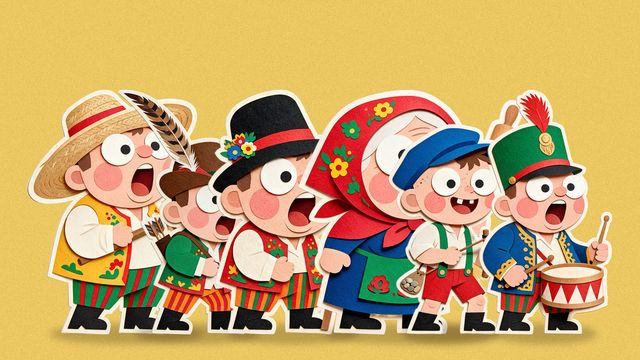
  1. Six paper-cut peasants standing in a row: a Flailer, an Archer, a Pitchforker, a Granny, a Kid and a Drummer.

    Pick a number.

    Before every battle you decide how many peasants to send. The devil's contract pays more the fewer you bring. Send too few and the goose wins.

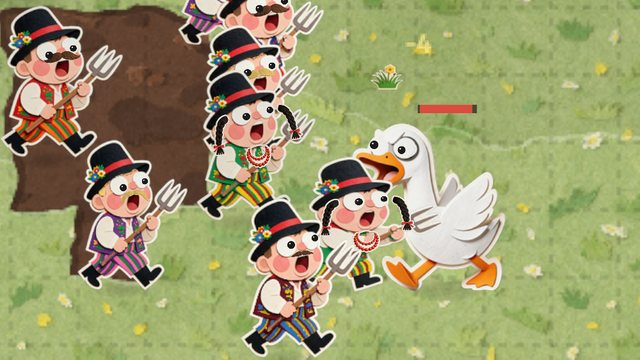
  2. Battle close-up: paper-cut peasants in black hats charge with pitchforks at a big white goose. Everyone has huge googly eyes.

    Watch it go wrong.

    The peasants fight on their own. You can shout a few orders and call in the reserve.

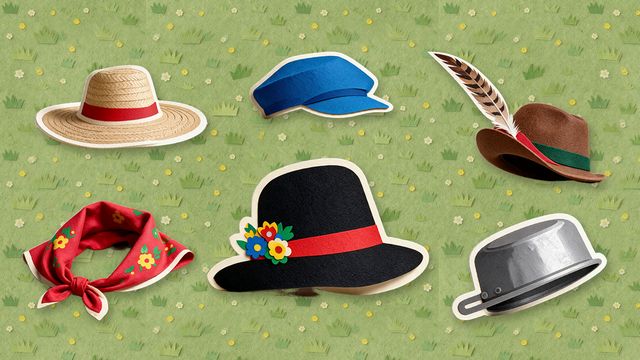
  3. Six hats left lying on the grass after a battle: a straw hat, a blue cap, a feathered hat, a red headscarf, a black hat with flowers and a cooking pot.

    Count the hats.

    When a peasant falls, the hat stays behind. So does the last fart.

Features

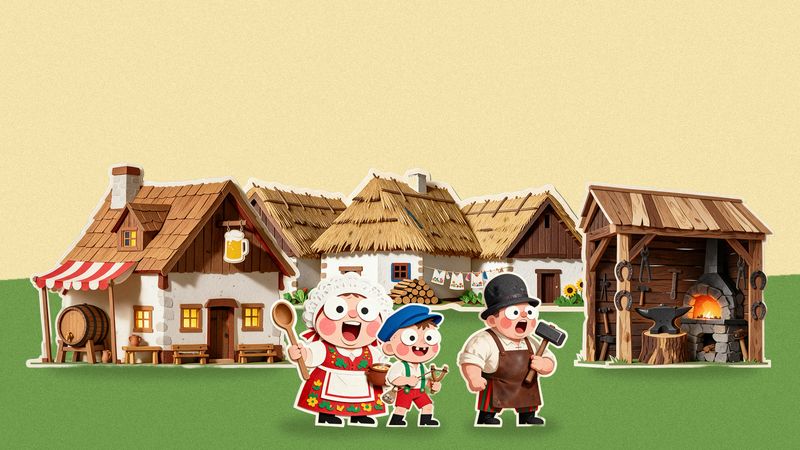
  • Paper-cut village: a tavern with a beer sign, thatched cottages and an open smithy. A Cook, a Kid and a Blacksmith stand in front.

    A village that lives between battles.

    Build cottages, a smithy and a tavern. Marry peasants off and watch their kids grow up. Decide who marches out and who stays home, because raiders don't wait for the party to come back.

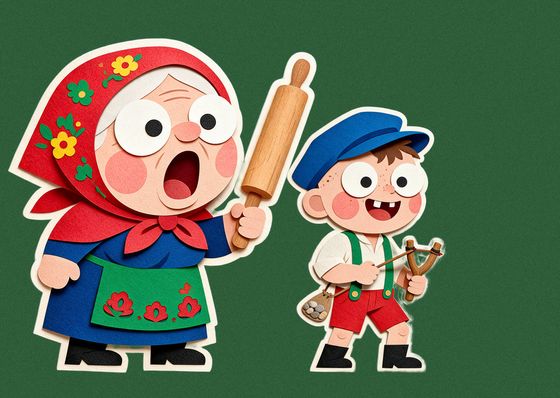
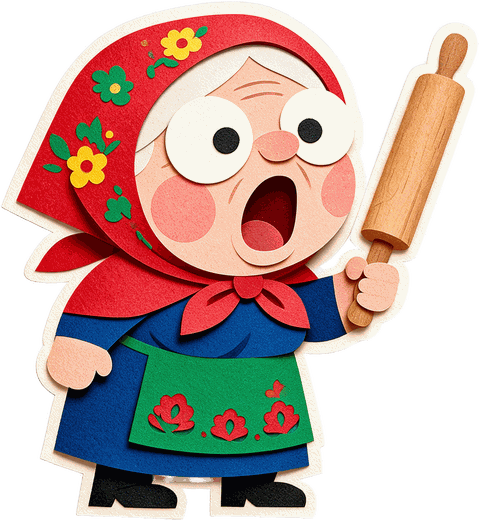
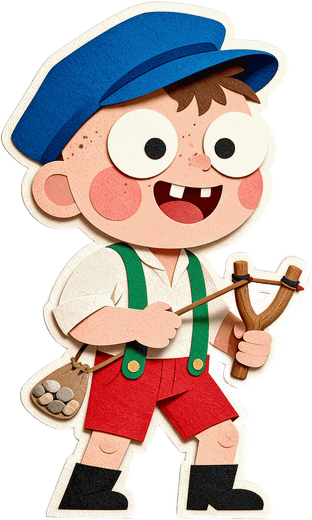
  • A paper-cut Granny raising a rolling pin next to a Kid with a slingshot.

    Every peasant has a name.

    And a hat, and usually a best friend or a spouse. They level up, earn nicknames and make rivals.

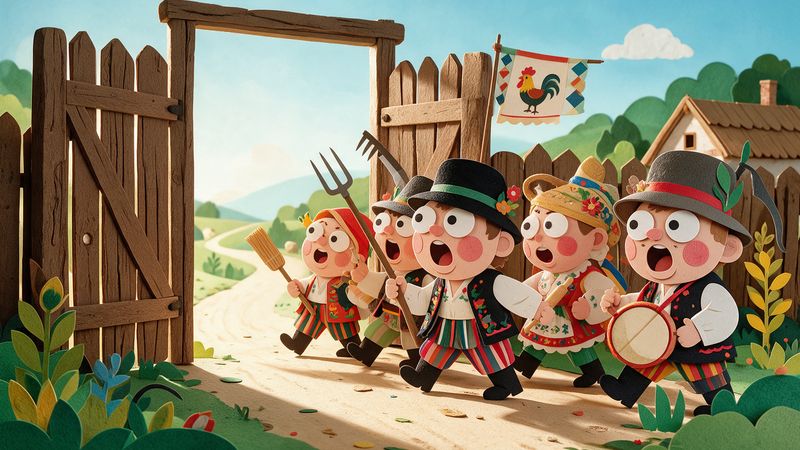
  • Paper-cut illustration: peasants with a pitchfork, a broom and a drum march out through a wooden gate under a rooster banner.

    A wild world beyond the fence.

    March out through the gate onto a map of four lands. Pick a party leader, load the cart with food and count the days, because every day on the road is a day the village spends without you. Three plague lords wait at the far ends of the map: the Jarl, Baba Yaga and the Wawel Dragon.

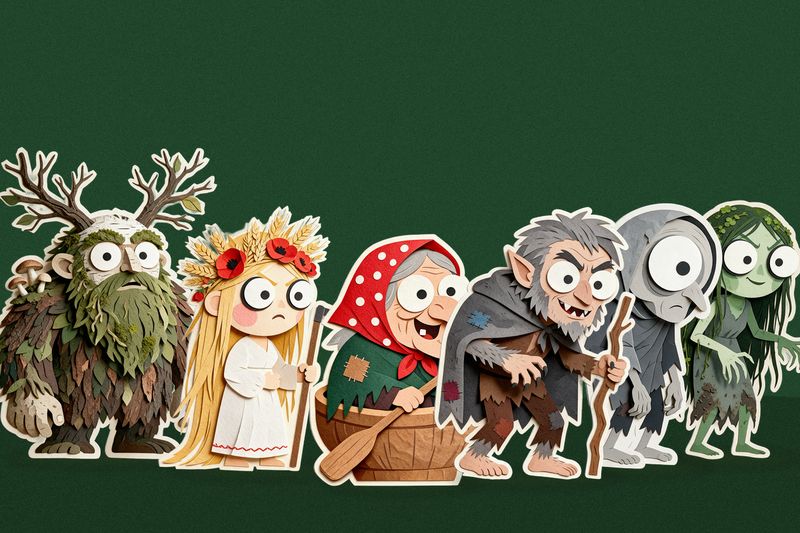
  • Six paper-cut monsters in a row: a leshy made of bark and moss, the Noon Witch with a scythe and a wreath of wheat, Baba Yaga in her mortar, a werewolf with a staff, one-eyed Likho in a gray hood and a green boginka with weeds in her hair.

    Monsters from old Slavic tales.

    The Noon Witch in the wheat, one-eyed Likho, child-stealing boginki, a werewolf, and Baba Yaga flying in her mortar. From the north come Vikings with a Valkyrie.

  • Paper-cut Boruta: a red devil in a green coat with a yellow sash holds a contract with a wax seal and carries a sack over his shoulder. Pale ghosts of peasants in straw hats float around him.

    The devil keeps count.

    Boruta, a devil from Polish folklore, keeps the soul of every peasant you lose. Climb Bald Mountain and he fights you with them.

Meet the villagers

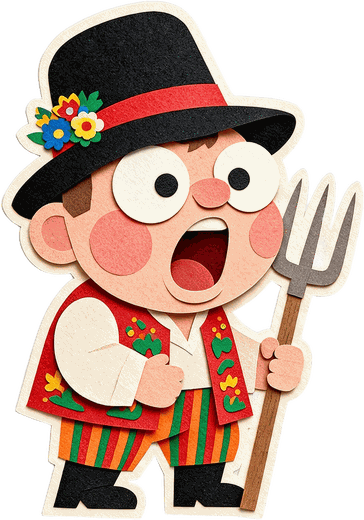
  • Paper-cut Pitchforker: a peasant in a black hat with flowers, a red embroidered vest and a pitchfork, mouth wide open.

    Pitchforker

    Hits from the second row. There are always more of them than you think.

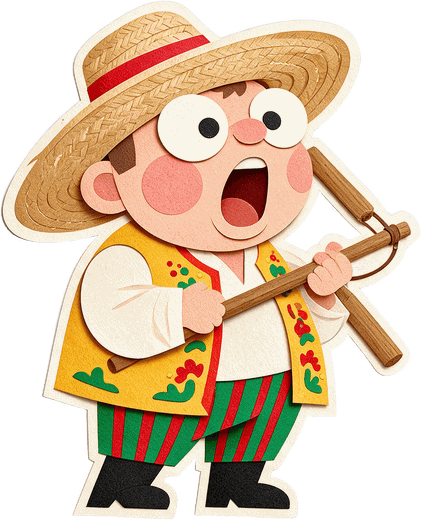
  • Paper-cut Flailer: a peasant in a straw hat and a yellow vest holding a wooden threshing flail.

    Flailer

    Swings a threshing flail in a wide arc. Stand behind, not beside.

  • Paper-cut Granny: an old woman in a red floral headscarf raising a rolling pin.

    Granny

    Never panics. Pulls enemies onto herself and picks fallen veterans back up.

  • Paper-cut Kid: a child in a blue cap and red shorts holding a slingshot.

    Kid

    Has a slingshot. Hits 50% harder when Granny is close.

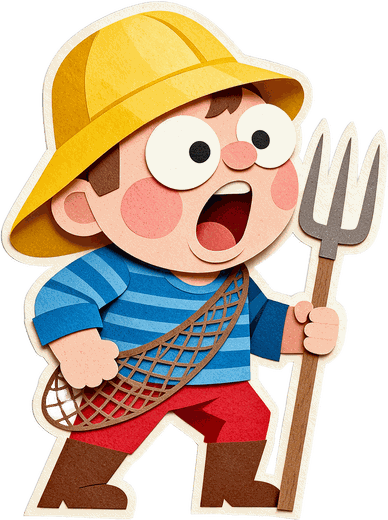
  • Paper-cut Fisherman: a peasant in a yellow rain hat and a striped shirt, with a net over his shoulder and a fishing spear.

    Fisherman

    You can't hire one. Fishermen join you up north, and every hit throws a net that slows the enemy down.

  • Paper-cut Archer: a peasant in a hat with a long feather, holding a bow, a quiver of arrows on the back.

    Archer

    Shoots over everyone's heads. Wolves hunt archers first, so keep them behind the shields.

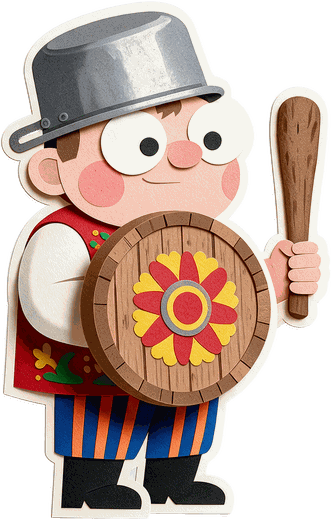
  • Paper-cut Shieldbearer: a peasant wearing a cooking pot as a helmet, gritting their teeth behind a big round painted shield.

    Shieldbearer

    Lots of health and a big shield. Stands in front so nobody else has to.

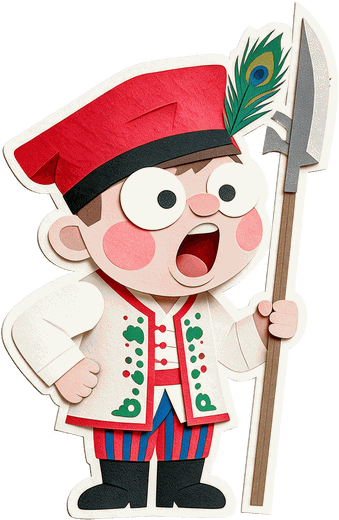
  • Paper-cut Halberdier: a peasant in a red hat with a peacock feather, holding a tall halberd.

    Halberdier

    Deals 2.5x damage to anything big: boars, the gorilla, the Great Gander.

  • Paper-cut Drummer: a peasant in a tall green hat with a red plume, beating a drum.

    Drummer

    Doesn't fight. Drums. Everyone nearby moves faster, hits faster and panics less.

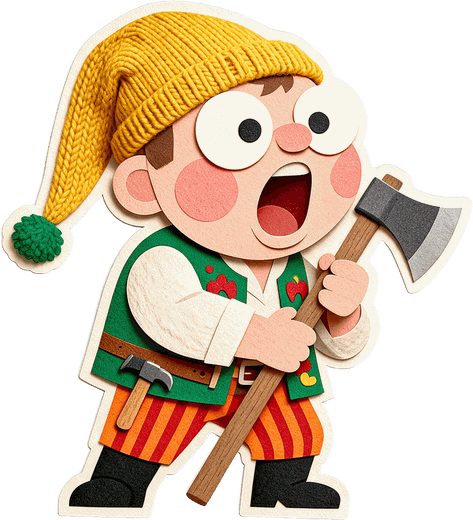
  • Paper-cut Carpenter: a peasant in a yellow knitted cap holding an axe.

    Carpenter

    Builds two stretches of palisade before the battle. Enemies hack through it, peasants walk through.

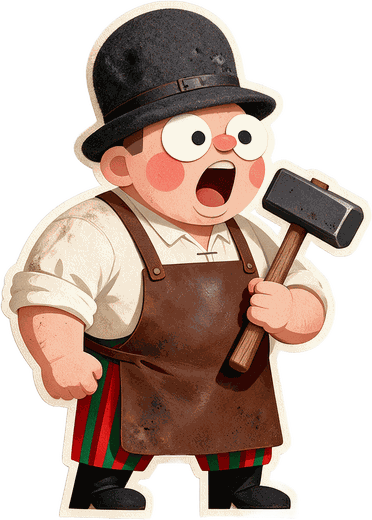
  • Paper-cut Blacksmith: a stocky peasant in a bowler hat and a leather apron holding a big hammer.

    Blacksmith

    Everyone who stands close to the Blacksmith gets extra armor.

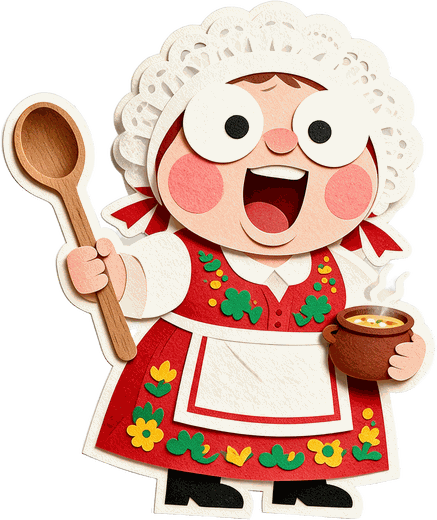
  • Paper-cut Cook: a woman in a white lace cap holding a wooden spoon and a bowl.

    Cook

    Every 15 seconds she sets down a pot of sour rye soup that heals everyone around it.

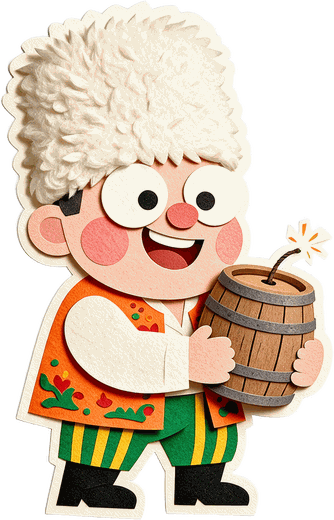
  • Paper-cut Barrel Roller: a peasant in a white fur hat carrying a small barrel with a lit fuse.

    Barrel Roller

    Rolls a barrel of moonshine at the enemy. It explodes and sets the grass on fire.

Screenshots

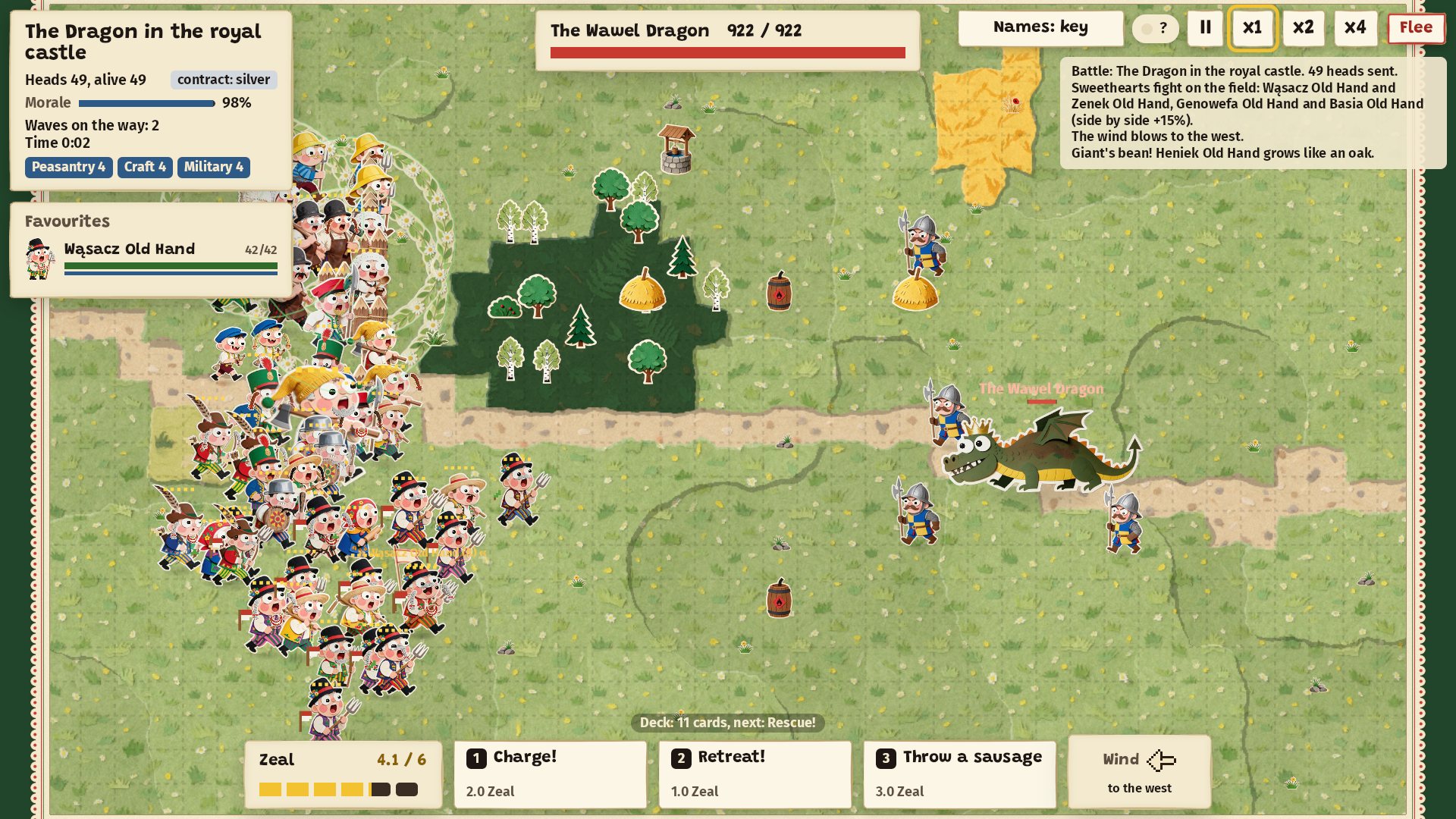
  • Battle screen: the Wawel Dragon, green with a gold crown, stands in a meadow with knights of the royal guard around him. A crowd of forty-nine peasants comes at him from the left, past a small forest. Order cards and the Zeal bar sit at the bottom.

    Forty-nine peasants against the Wawel Dragon and the royal guard.

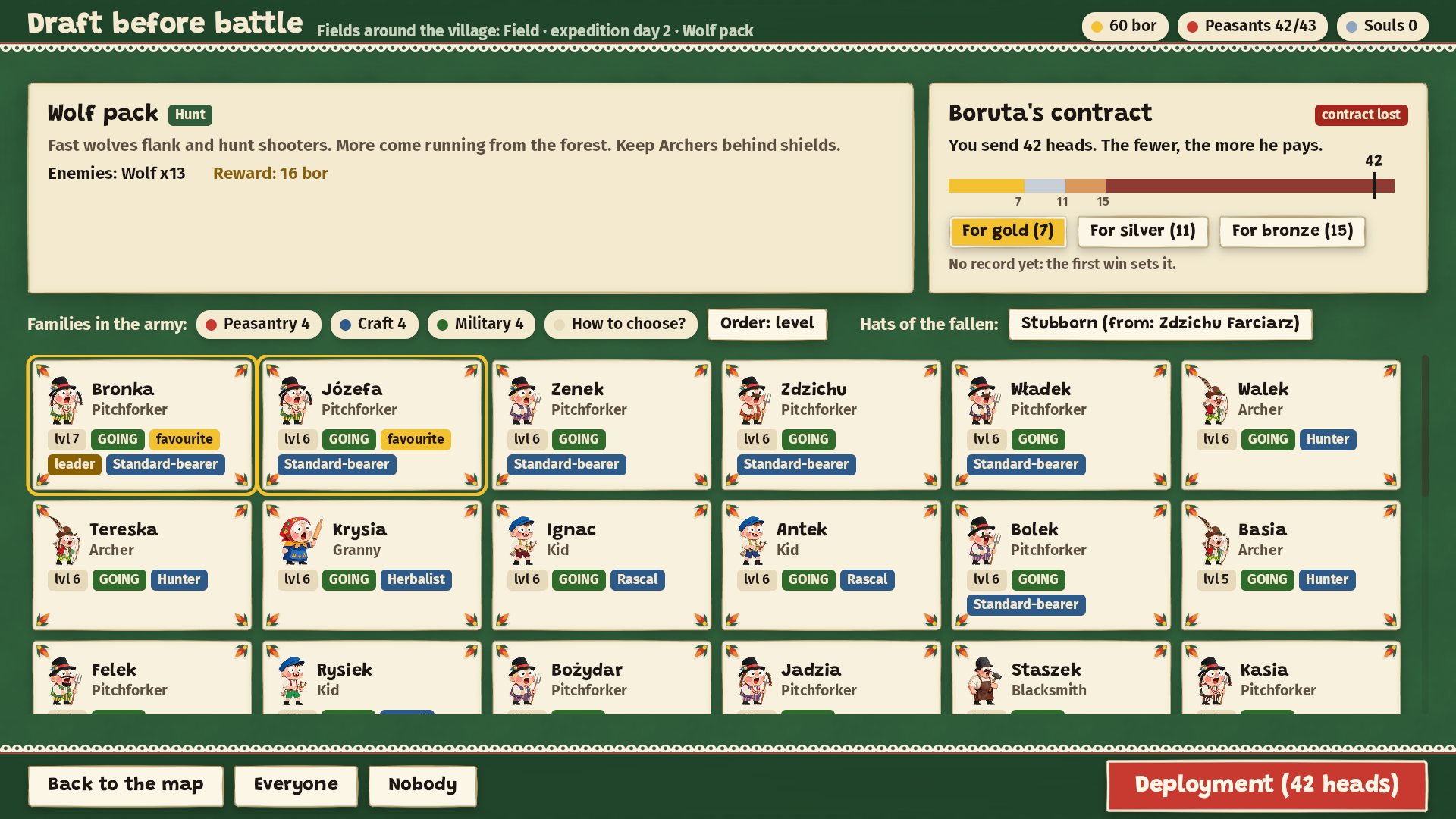
  • The draft screen before a battle with a wolf pack of thirteen. Boruta's contract reads: you send 42 heads, the fewer, the more he pays, with buttons for gold at 7, silver at 11 and bronze at 15. Below are cards of peasants with their names, types and levels.

    The draft. Thirteen wolves on the field: how many do you send?

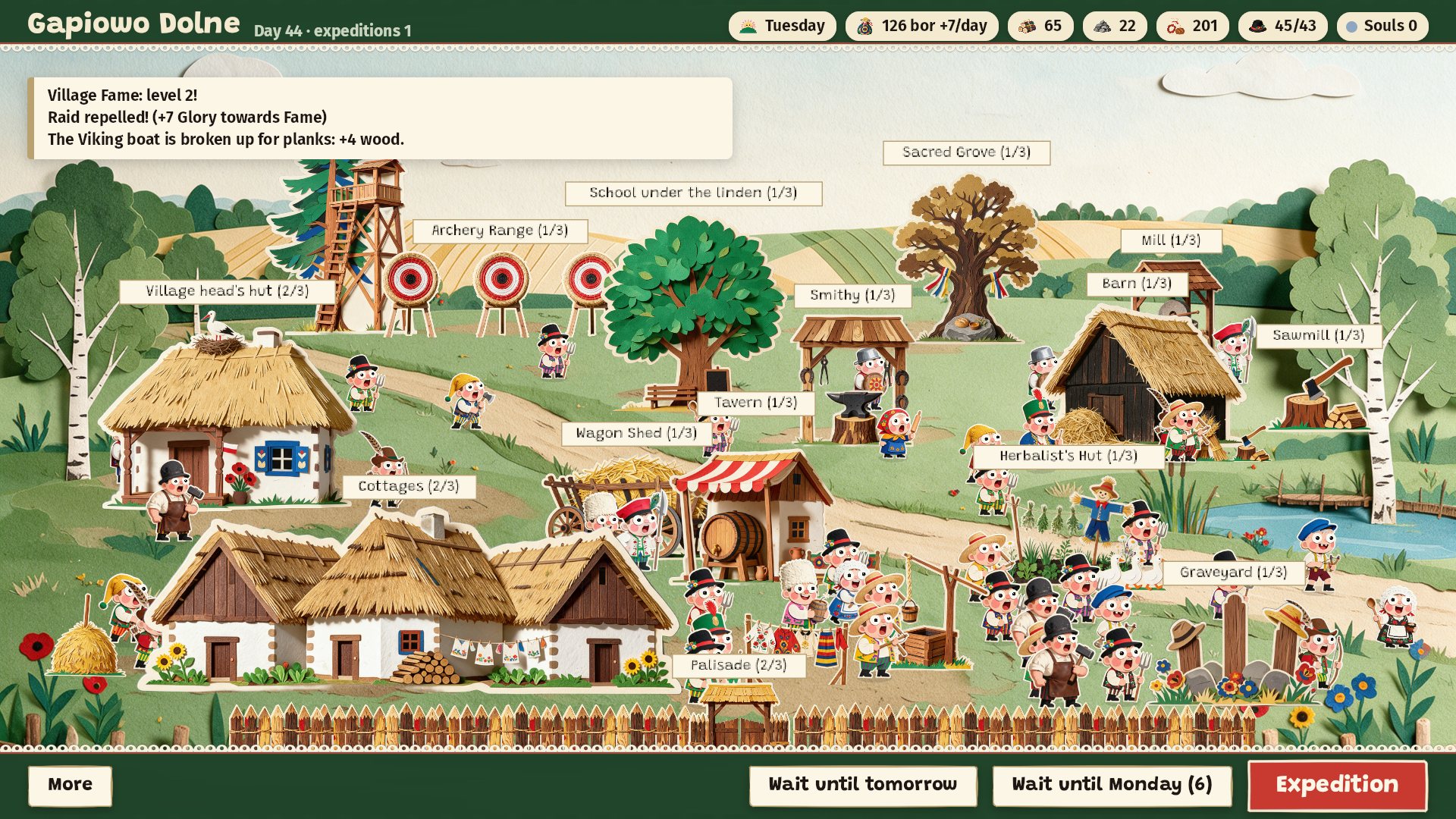
  • The village screen: thatched cottages, a smithy, a tavern, a barn, a mill and a watchtower, each with a paper label, and dozens of villagers walking between them. A note at the top says a raid was repelled.

    The village, right after a raid was repelled.

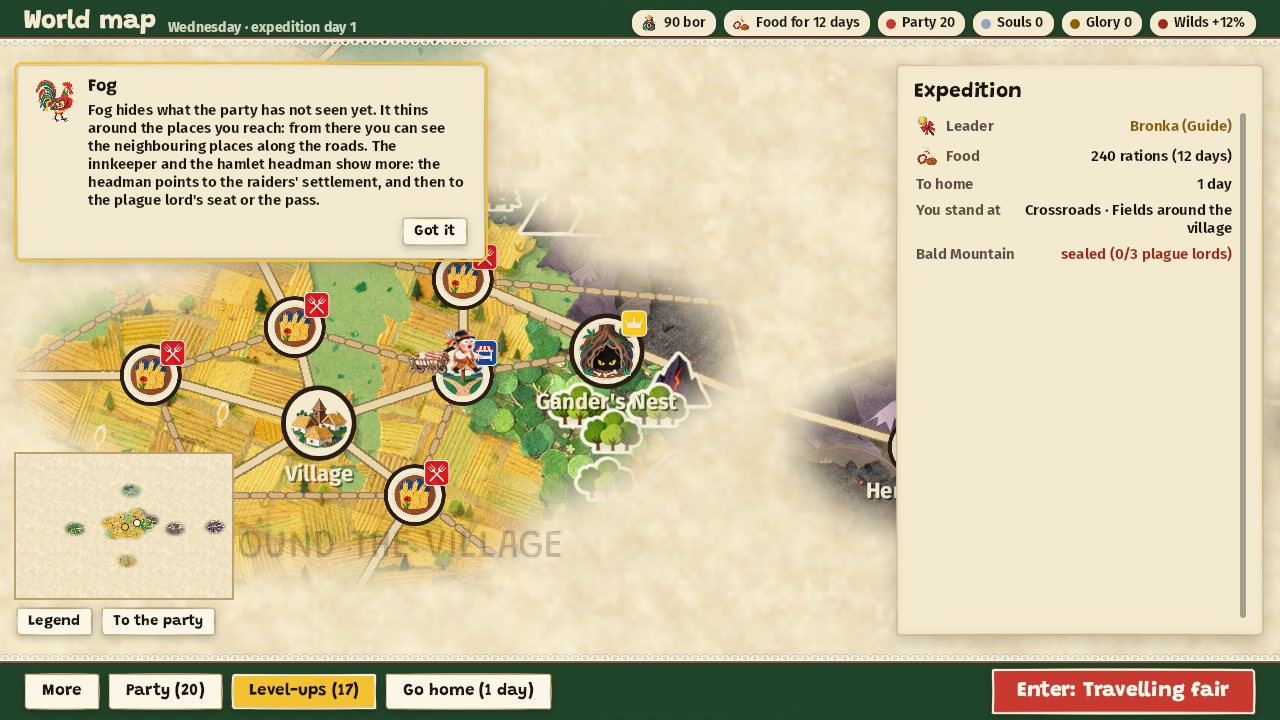
  • The world map: a party token with a cart stands at a crossroads among yellow fields near the village. A lair called Gander's Nest lies to the east, and the rest of the map is under pale fog.

    The world map. Most of it is still under fog.

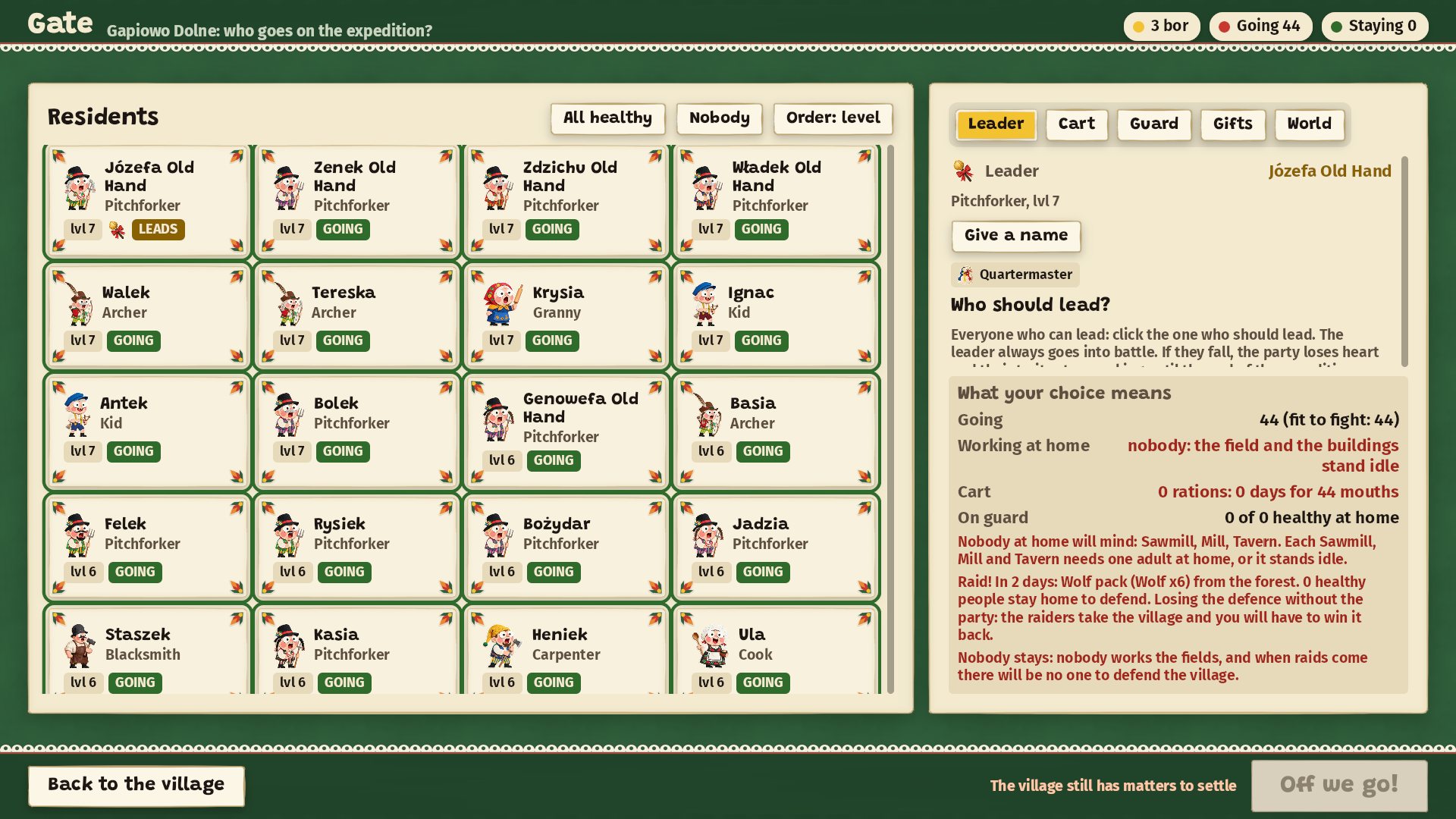
  • The gate screen: cards of residents marked as going on the expedition, tabs for the leader, the cart, the guard and gifts, and a summary in red of what happens when nobody stays home: idle fields, no guard and a wolf raid in two days.

    At the gate you decide who marches out and who stays to guard the village.

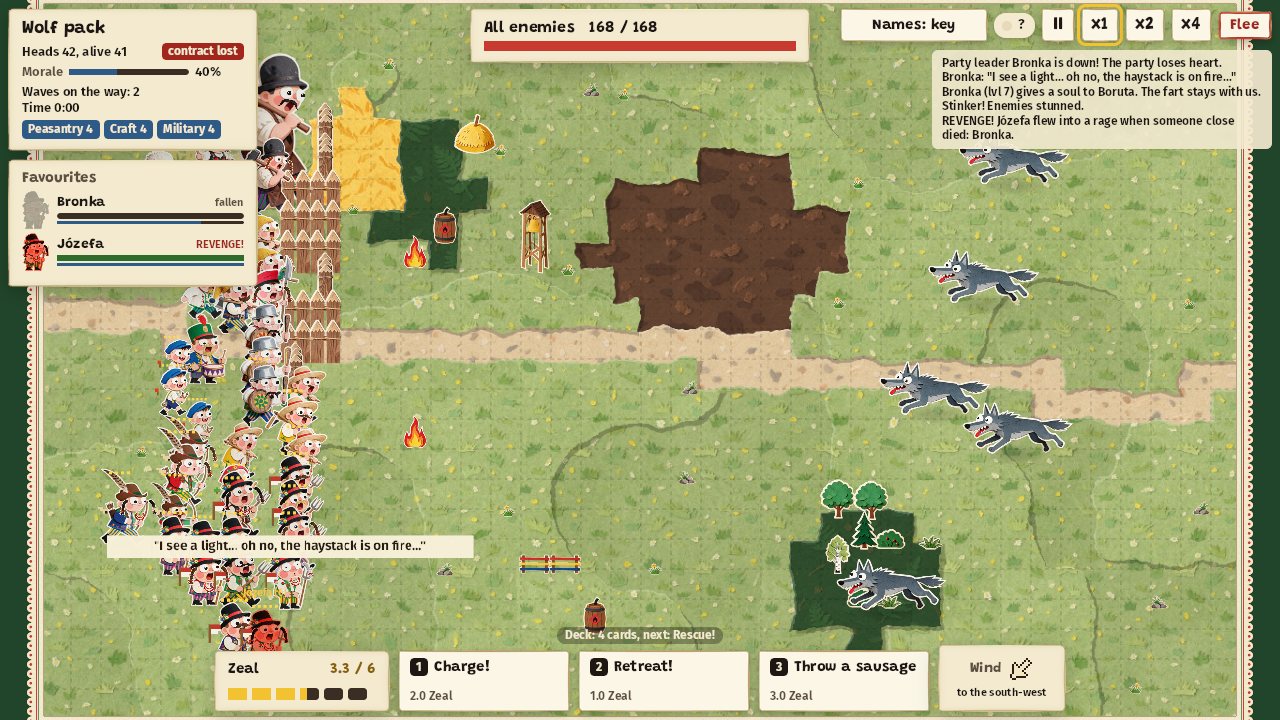
  • Battle screen: on the left a crowd of paper-cut peasants behind a palisade, on the right gray wolves running at them across a meadow. A banner over the crowd shows a fallen leader's last words, and the battle news reports the last fart.

    Forty-two peasants against a wolf pack. One of them just said the last words.

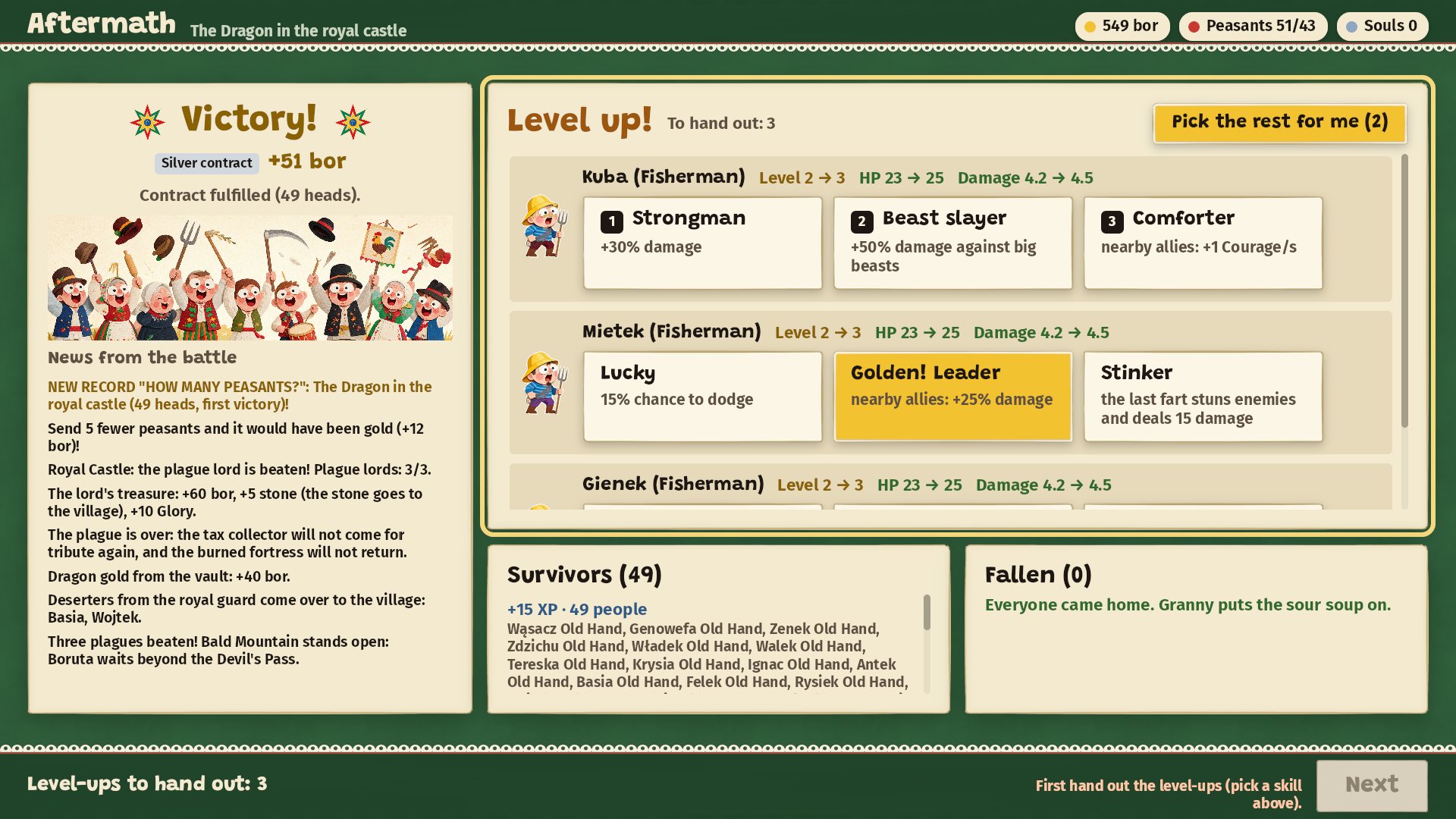
  • The aftermath screen after a win: a Victory panel with the news from the battle, a list of survivors, and level-ups where each peasant gets three skills to choose from, such as Strongman, Beast slayer and Comforter.

    After a win the survivors level up, and you pick what they learn.

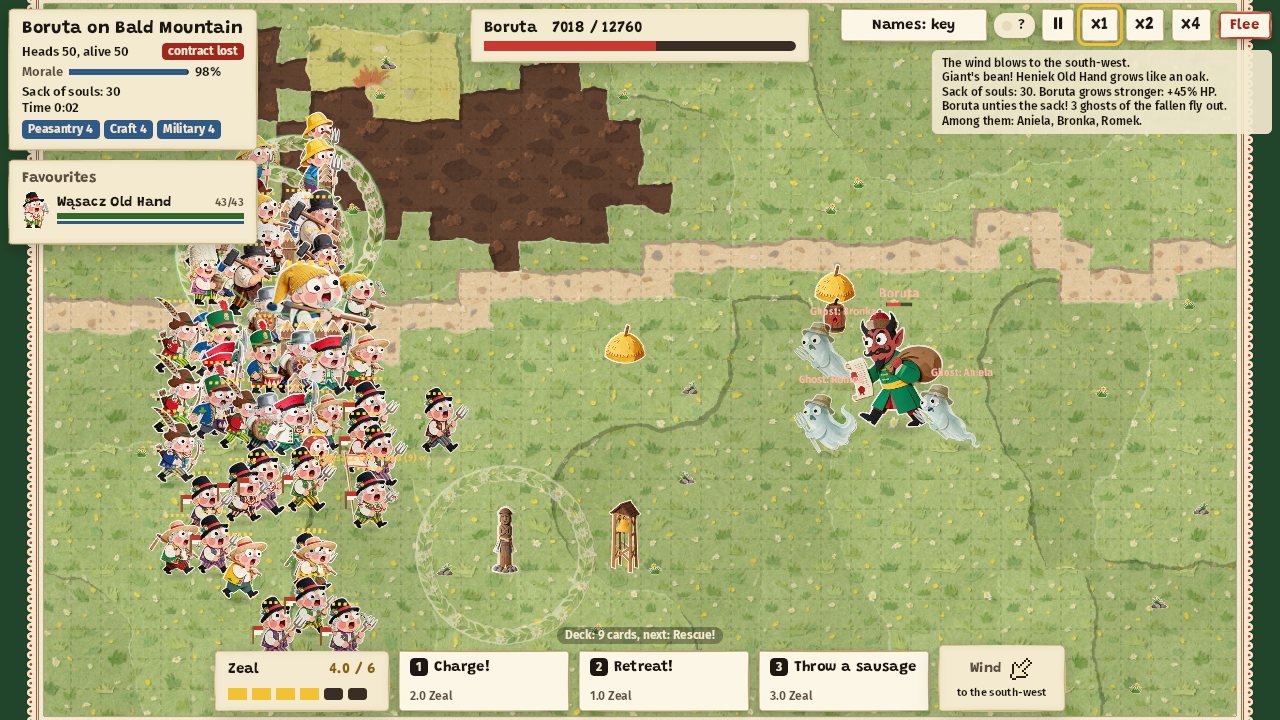
  • Battle on Bald Mountain: Boruta, a red devil in a green coat with a sack and a contract, stands among pale ghosts named after fallen peasants. A crowd of peasants faces him from the left.

    Boruta on Bald Mountain, with the ghosts of your own fallen.

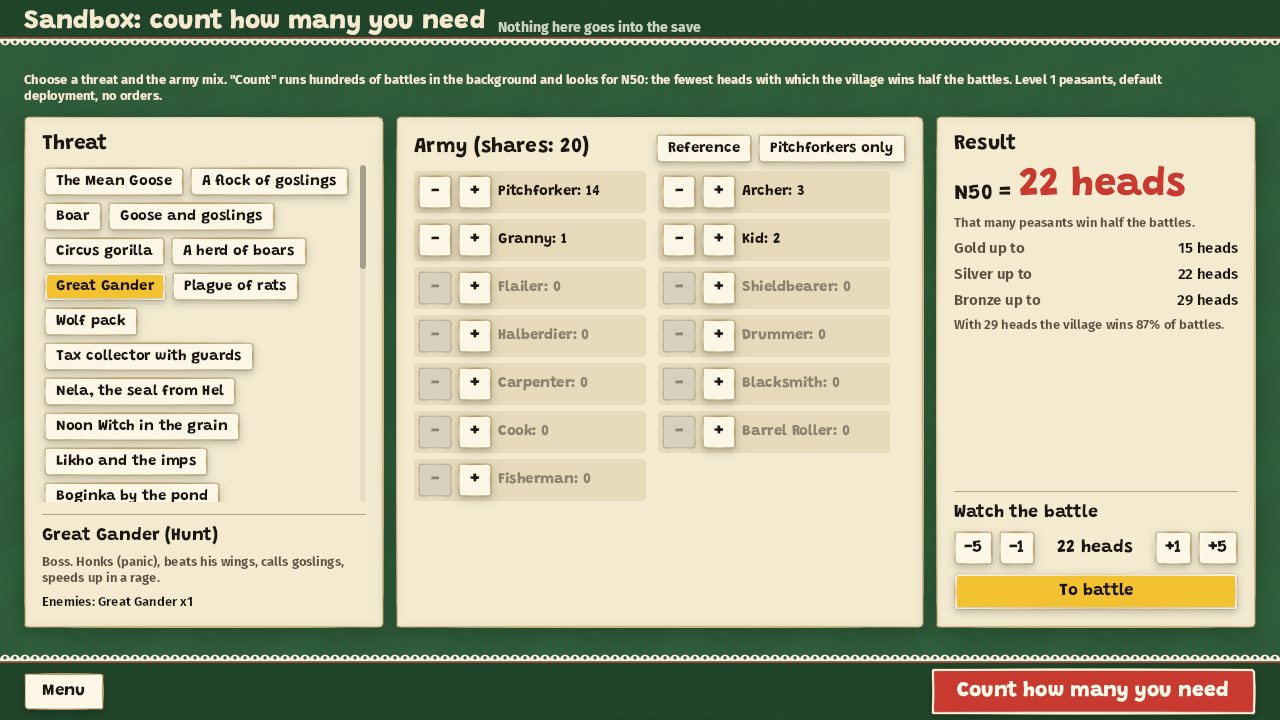
  • The sandbox screen: a list of threats with the Great Gander picked, an army of 20 peasants split by type, and the result: N50 = 22 heads, that many peasants win half the battles.

    The sandbox runs hundreds of battles and tells you how many it takes.

Wishlist Pitchfork Math on Steam

It's free. Steam keeps the game on your list and tells you when it's out.

Wishlist on Steam

FAQ

When does it come out?

No date yet. Wishlist it on Steam and Steam will tell you when it's out.

Why wishlist it?

It's free. Steam keeps the game on your list and tells you when it's out. Every wishlist also helps a small game get noticed.

Can I play it?

Not yet. There's no public build.

What will it run on?

PC, on Steam.

Who makes it?

One person: WadiDev, a solo dev from Poland.

Why the fart?

Every peasant gets a last word. Or at least a last sound.

I'm press or a creator. Where do I get screenshots?

In the press kit. Or write to hello@pitchforkmath.com.

Follow the village

hello@pitchforkmath.com

Wishlist on Steam